Furnace Repair Troubleshooting: What Every Homeowner Should Know
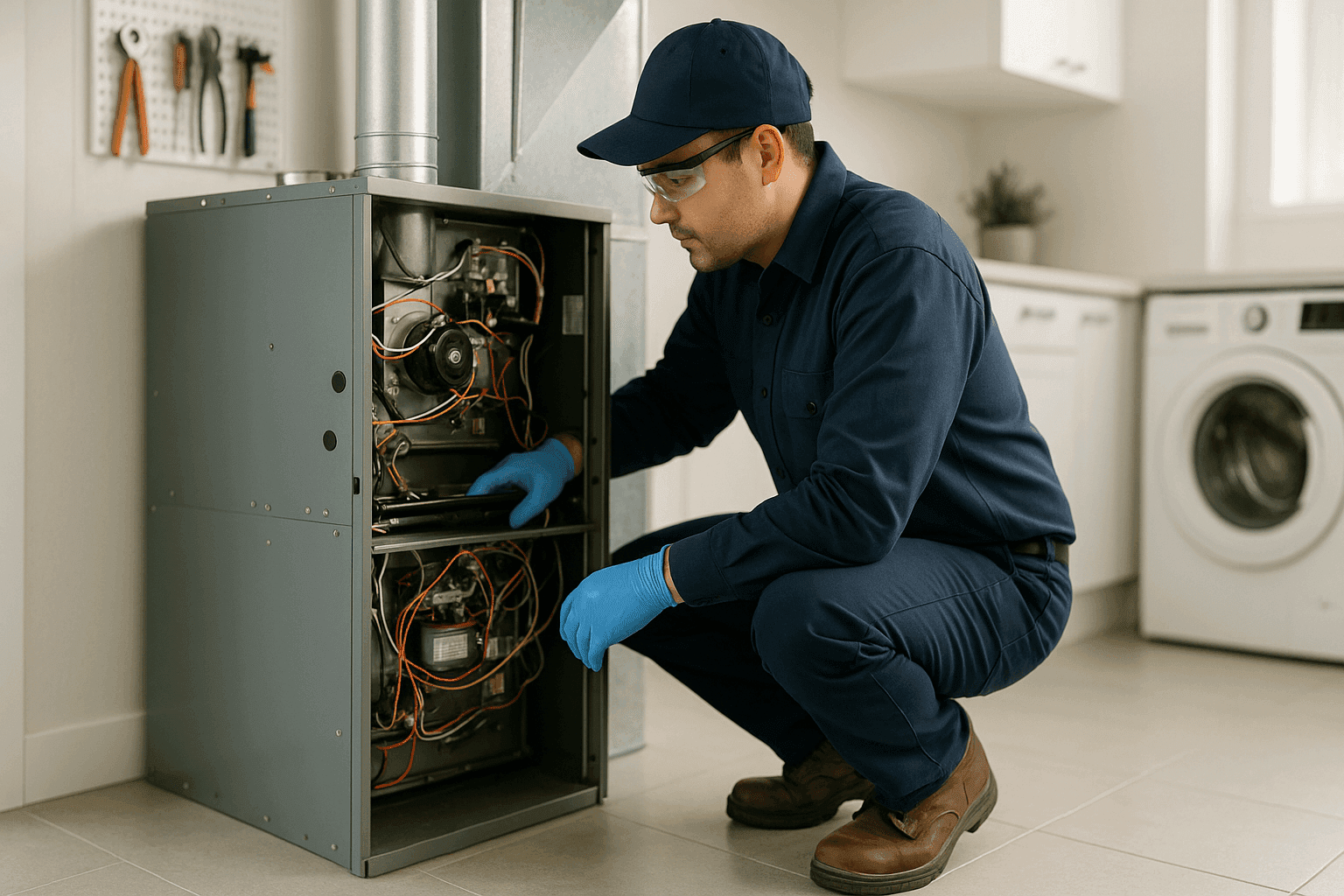
When the temperature drops and your furnace hesitates, it’s more than an inconvenience—it’s stressful, uncomfortable, and potentially dangerous. At Paterno's Heating & AC, we understand how disruptive a heating issue can be, especially after dark or on the coldest day of the year.
That’s why we’re sharing this guide. We want homeowners to feel prepared with practical steps before panic sets in. We’re HVAC-certified professionals, and we believe in empowering you with knowledge—while making clear when it’s time to call in a pro.
Recognizing Common Furnace Problems
Most furnace troubles start with subtle warning signs. Sometimes, they shout. Either way, knowing what to listen and look for can save you headaches and money. Here are the symptoms we see most often in homes across the area:
- No heat: The system runs, but the air stays cold.
- Strange noises: Banging, rattling, or squealing that’s new or louder than normal.
- Short cycling: The furnace fires up, then shuts down quickly, repeating over and over.
- Blower runs nonstop: The fan won’t turn off, even when your house feels like a sauna.
- Unusual smells: Metallic, burning, or musty odors, especially when the furnace starts.
- Weak airflow: Vents barely push out warm air.
- Unexpectedly high energy bills: Your system is working harder than it should.
- Thermostat problems: Set the temperature, but nothing happens.
Think of your furnace like a car. New noises, smells, or behavior mean it’s time to lift the hood and take a closer look—or get someone qualified to do it.
Step-by-Step Diagnostic Checklist 🔍
Before reaching for the phone, try these safe, simple diagnostic steps. Many furnace issues have straightforward causes, and you might be able to fix them without tools—or risk.
1. Check Your Thermostat
- Make sure it’s set to “heat.”
- Is the temperature setting above the current room temperature?
- Batteries fresh? If it’s blank, swap in new ones.
- For smart thermostats, check for error alerts or connectivity issues.
2. Inspect the Furnace Filter
- Dirty filters block airflow and can cause shutdowns.
- Slide out your filter (usually behind a panel or in the return duct).
- If it looks gray, dusty, or clogged, replace it. Home Energy Audits routinely point to neglected filters as a common culprit.
3. Look at the Circuit Breaker
- Furnaces need power—even gas systems use electricity.
- Open your electrical panel and find the breaker labeled “furnace” or “HVAC.”
- If it’s tripped, flip it all the way off, then back on.
4. Check the Furnace Switch
- There’s a power switch near the unit—usually looks like a light switch.
- Make sure it’s flipped on.
5. Examine the Air Vents
- Walk through your home and confirm vents are open and not blocked by furniture or rugs.
- Closed or obstructed vents can cause overheating and shutdowns.
6. Listen and Smell
- Are there new mechanical clunks, grinding, or screeches?
- Do you smell gas? If so—stop here and leave the house. Call your local emergency line.
7. Pilot Light or Ignition
- For older furnaces: Is the pilot lit? If not, follow the manufacturer’s instructions (usually on a sticker inside the panel) to relight.
- Don’t force anything or try to bypass safety features.
8. Check for Error Codes
- Many modern furnaces have a small viewing window. A blinking light may indicate a fault.
- Count the blinks, then check your owner’s manual for the meaning.
If you spot anything that feels unsafe or confusing, trust your instincts—pause your troubleshooting and call for help.
When to Call a Professional
Some furnace problems are like a blown fuse. Others are like a leaky gas tank—they need a certified tech. Here’s when it’s time to call someone trained and licensed:
- You smell gas or suspect a carbon monoxide leak (headaches, dizziness, or detectors beeping).
- The furnace shuts down repeatedly, even after changing the filter and resetting breakers.
- Electrical issues (buzzing, sparking, or flickering lights when the furnace runs).
- Water around the furnace (could be a condensate leak or something worse).
- You see error codes you don’t understand, or the manual says to “call for service.”
- You’ve done the basics, but there’s still no heat.
A professional from Paterno's Heating & AC will arrive with diagnostic tools, safety gear, and the training to address serious issues—without risking your home or health.
Quick Safety Checklist
Before you reach into your furnace or even remove a panel, run through this quick list:
- Power Off: Always switch off power at the furnace switch and circuit breaker before touching internal components.
- Gas Safety: Never try to repair gas lines or valves yourself. Gas leaks are invisible but deadly.
- Carbon Monoxide: Install a working CO detector near sleeping areas, as recommended by the U.S. Consumer Product Safety Commission.
- Ventilation: Clear the area around your furnace. Don’t store flammables nearby.
- Children & Pets: Keep them far from furnace work areas.
Your safety matters more than a quick fix. If you’re unsure, don’t risk it.
What Pros Do On Arrival
A certified HVAC technician doesn’t just poke around. Here’s what you can expect when you call Paterno's Heating & AC for furnace repair:
- Full system assessment: We check the thermostat, electrical connections, air balancing, ductwork, and venting.
- Advanced diagnostics: Using tools to read error codes, test voltage, and measure airflow.
- Safety checks: Inspect for gas leaks, carbon monoxide, and fire risks.
- Component testing: We look at ignition, flame sensors, blower motors, and heat exchangers.
- Clear communication: You’ll get a straightforward explanation of the problem, options for repair, and answers to all your questions.
Some repairs—especially those involving gas, wiring, or heat exchangers—are regulated by building codes for good reason. Only a certified technician should perform them.
Prevention & Maintenance
A well-maintained furnace is less likely to leave you shivering. Here’s how to keep yours in top shape:
- Change filters every 1–3 months, or as recommended by your furnace manual.
- Schedule annual maintenance. A tune-up before heating season can catch small issues before they become big ones.
- Test thermostats and batteries every fall.
- Keep vents and returns clear for proper air balancing.
- Ask about indoor air quality solutions—air scrubbers, dehumidifiers, and filters help your system run smoothly.
- Duct cleaning every few years can improve airflow and efficiency.
Refer to the American Society of Heating, Refrigerating and Air-Conditioning Engineers (ASHRAE) for best practices in residential heating maintenance.
Costs & Time Factors
Every repair is different, but here’s what typically affects the price and timeline:
- Type of problem: Simple fixes (like swapping a thermostat or filter) are quick and affordable. Complex repairs (motors, boards, heat exchangers) take more time and expertise.
- Parts availability: Some components may need to be ordered. Most common residential parts are stocked on our service trucks.
- System age: Older units may need extra attention or hard-to-find parts.
- After-hours calls: Emergency service often costs more, but sometimes waiting isn’t safe.
Most routine furnace repairs can be diagnosed within an hour. Fixes may take anywhere from 30 minutes to several hours, depending on the issue.
When It’s an Emergency 🚨
Not all furnace failures are emergencies, but some demand immediate attention:
- Gas smell or hissing: Evacuate and call for help.
- No heat with extreme cold: If indoor temps drop below 55°F for hours, pipes can freeze. Get professional help fast.
- Carbon monoxide alarms: Leave the house and call emergency services.
- Electrical burning smell or smoke: Turn off power and call for service.
If you’re unsure, err on the side of caution. Your safety is what matters most.
FAQ: Furnace Repair Troubleshooting
Q: How often should I replace my furnace filter?
A: Every 1–3 months, depending on your system and home environment. More often if you have pets or allergies.
Q: My furnace is making a rattling noise—is it dangerous?
A: Rattling can mean loose panels, but could also signal a cracked heat exchanger, which is a safety hazard. If tightening panels doesn’t help, call a pro.
Q: Can I repair my furnace myself?
A: Homeowners can safely check thermostats, filters, and breakers. Internal repairs involving gas, wiring, or major components should be left to certified technicians for your safety.
Q: What’s short cycling and why does it happen?
A: Short cycling means the furnace turns on and off frequently. It can be caused by dirty filters, thermostat issues, or more serious problems like overheating or faulty sensors.
Local & Seasonal Considerations
In our region, furnace demand spikes as soon as the first cold snap hits. Don’t wait until the rush—schedule maintenance early in the fall. If you have unique needs like radiant heating, geothermal, or air balancing near you, mention these during your service call so we can bring the right tools and parts.
Humidity levels drop in winter, which can dry out your home. Ask about humidifiers or indoor air quality solutions if static shocks or dry throats are a problem.
Final Thoughts
Furnace problems are never convenient, but a calm, informed approach can make all the difference. Start with safe, simple steps, and know when to call for backup. Our certified HVAC team is standing by—day or night—to help you keep your home comfortable and safe.
Call Paterno's Heating & AC now — or reach us anytime at 877-731-7758 .