Radiant Heating vs. Forced Air: Which Is Right for Your Home?
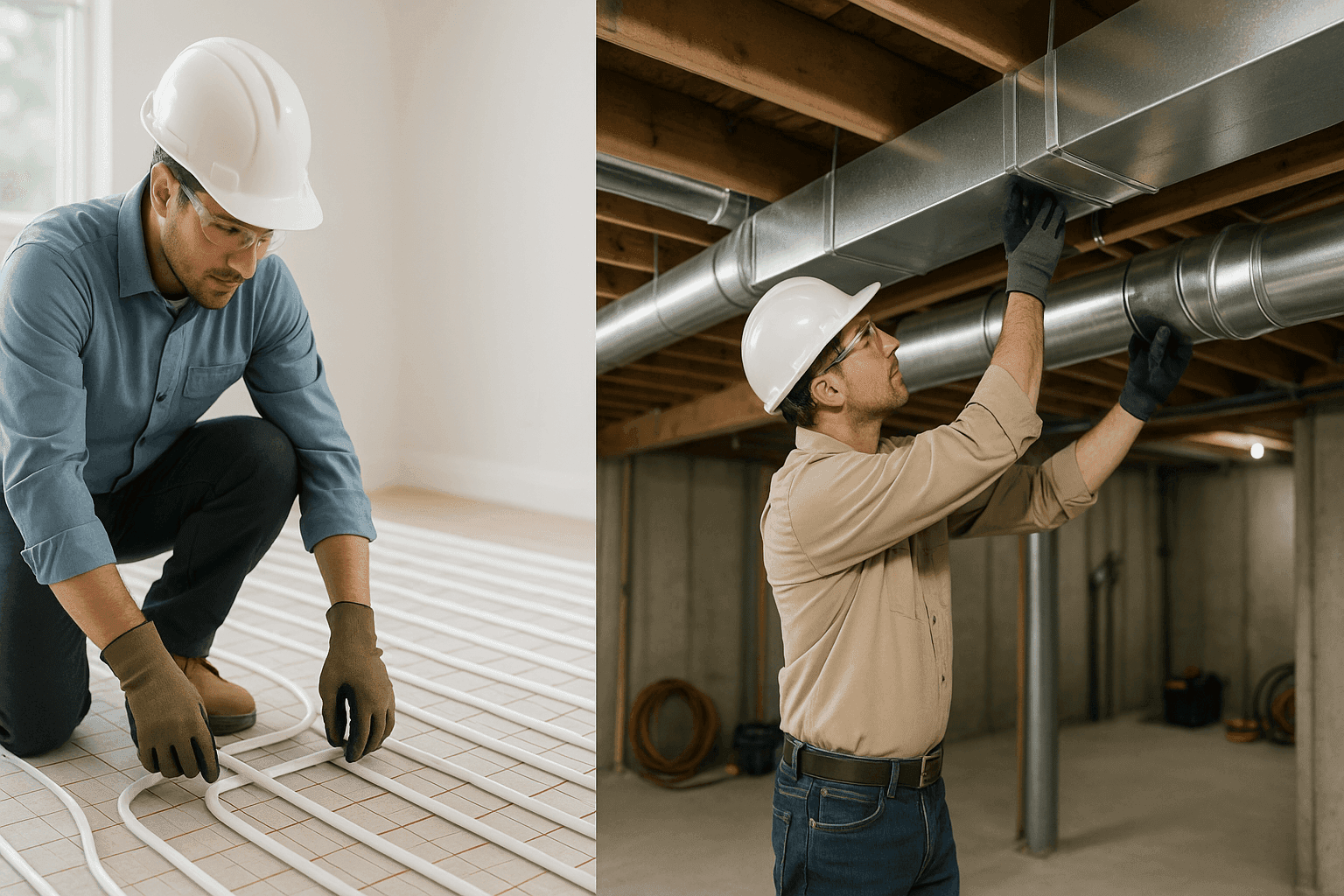
When the first chill of the season creeps in, you feel it in your bones. Heat matters. Choosing the right system isn't just about staying warm—it's about how your home feels, what you hear, and even the air you breathe.
At Paterno's Heating & AC, we know the maze of choices can be overwhelming. Should you go with the invisible comfort of radiant heat, or the quick blast of warmth from forced air? Let's break down the real differences, so you can pick what fits your home and your life.
How Radiant Heating Works 🌡️
Radiant heating is like the warm sunlight streaming through your window on a crisp day. Instead of blowing hot air, it heats objects and people directly.
- How it works: Pipes or electric wires are installed beneath floors, in walls, or even ceilings. Hot water or electric current runs through these lines, radiating warmth upward.
- You don’t feel a breeze. Instead, you feel the gentle, consistent heat—like stepping onto a sun-warmed patio.
- Common types: Hydronic (water-based) and electric systems. Hydronic is more common for whole-house setups, while electric mats are often used in small spaces like bathrooms.
According to the U.S. Department of Energy, radiant heating is one of the most energy-efficient ways to heat a home, particularly when paired with modern controls and insulation.
How Forced Air Heating Works 🍃
Forced air is the reliable workhorse of American heating. It’s the classic system most of us grew up with.
- How it works: A furnace heats air and pushes it through a network of ducts. Vents deliver that warm air into each room, quickly raising the temperature.
- All-in-one: The same ducts can be used for air conditioning, making forced air a flexible solution for heating and cooling.
- Quick results: Rooms heat up fast. You'll notice a difference within minutes after the system kicks on.
The Air-Conditioning, Heating, and Refrigeration Institute (AHRI) notes that regular maintenance—like filter changes and duct cleaning—keeps forced air systems running efficiently and improves indoor air quality.
Pros and Cons: Comfort, Cost, Efficiency, Maintenance
No system is perfect for every home or every homeowner. Here’s how radiant and forced air stack up:
Comfort
- Radiant: Even, consistent heat with no drafts or cold spots. Quiet—no fans or blowers.
- Forced Air: Heats rooms quickly, but can be noisy. May cause uneven temperatures, with hot and cold spots near vents.
Cost
- Radiant: Higher upfront installation cost, especially for retrofits. Lower operating costs thanks to better efficiency.
- Forced Air: Generally less expensive to install, especially if you already have ductwork. Operating costs depend on the furnace type and duct condition.
Efficiency
- Radiant: Highly efficient; less heat loss because there’s no ductwork. Works best with good insulation and air balancing near you.
- Forced Air: Can lose heat through ducts, especially if they’re leaky or uninsulated. Efficiency varies with equipment age and filter maintenance.
Maintenance
- Radiant: Fewer moving parts. Occasional checks for leaks or electrical issues. Long lifespan with minimal upkeep.
- Forced Air: Needs regular filter changes and duct cleaning. Blowers and motors can wear out. Annual HVAC maintenance is key.
Other Considerations
- Air Quality: Radiant doesn’t move dust or allergens. Forced air can spread particles unless you use high-quality filters or air scrubbers.
- Noise: Radiant is nearly silent. Forced air systems produce sound from blowers and vents.
- Installation Complexity: Radiant is easier in new builds or during major renovations. Forced air fits well in homes with existing ducts.
- Home Energy Audits: Both systems benefit from a professional home energy audit to identify insulation or air sealing needs.
Suitability by Home Type and Lifestyle 🏠
New Construction
- Radiant heating is easiest to install when the floors and walls are open. Perfect for custom homes or major remodels.
- Forced air is often more cost-effective if you plan to add central air conditioning, since it uses the same ducts.
Existing Homes / Retrofits
- Radiant: Can be labor-intensive to retrofit. Best for targeted areas (like bathrooms or basements) unless you’re already doing a major renovation.
- Forced air: Simpler if your home already has ductwork. Upgrading your furnace or adding a heat pump is straightforward.
Lifestyle Factors
- Allergy concerns: Radiant heating is a winner if you want to minimize airborne allergens.
- Noise sensitivity: Go radiant for peace and quiet.
- Fast temperature changes: Forced air is your friend when you want rapid heating after returning home.
- Budget: Think about not just the initial cost, but the long-term energy savings and maintenance.
Environmental Impact
- Radiant systems can use boilers powered by electricity, natural gas, or even geothermal heat. Paired with efficient controls, they’re a strong choice for lowering your carbon footprint.
- Forced air systems are improving, especially with high-efficiency furnaces and modern thermostats. Sealing and insulating ducts can reduce energy waste.
Real-World Tips Before You Decide
- Ask for a professional assessment. Every home is different—size, layout, insulation, and your own comfort preferences matter.
- Consider energy rebates. Many states offer incentives for efficient heating upgrades.
- Check building codes. The International Residential Code (IRC) and local regulations set standards for safe installation—never skip permits or inspections.
- Plan for future needs. If you may add air conditioning or expand your home, factor that into your decision.
FAQ
Which system costs more to install?
Radiant heating is usually more expensive upfront, especially for whole-home retrofits. Forced air uses existing ducts and is generally less costly to install.
Can radiant heating be added to any home?
Yes, but it’s much easier during new construction or major renovations. For existing homes, radiant is often installed in specific rooms like bathrooms.
Does forced air affect indoor air quality?
It can move dust and allergens if not properly maintained. Regular filter changes, duct cleaning, and using equipment like air scrubbers can help.
How long do these systems last?
Radiant heating systems often last 30+ years with minimal maintenance. Forced air furnaces typically last 15–20 years, with regular upkeep.
The Bottom Line
Choosing between radiant and forced air isn’t just a technical decision—it’s about how you want your home to feel every day. Both have their strengths, and the best fit depends on your house, your budget, and what comfort means to you.
Curious which system matches your home or lifestyle? A professional assessment from licensed technicians can help you narrow it down, weighing your home’s layout, insulation, and even air balancing near you.
Call Paterno's Heating & AC now — or reach us anytime at 877-731-7758 .