Complete Home Heating Maintenance Checklist for Every Season
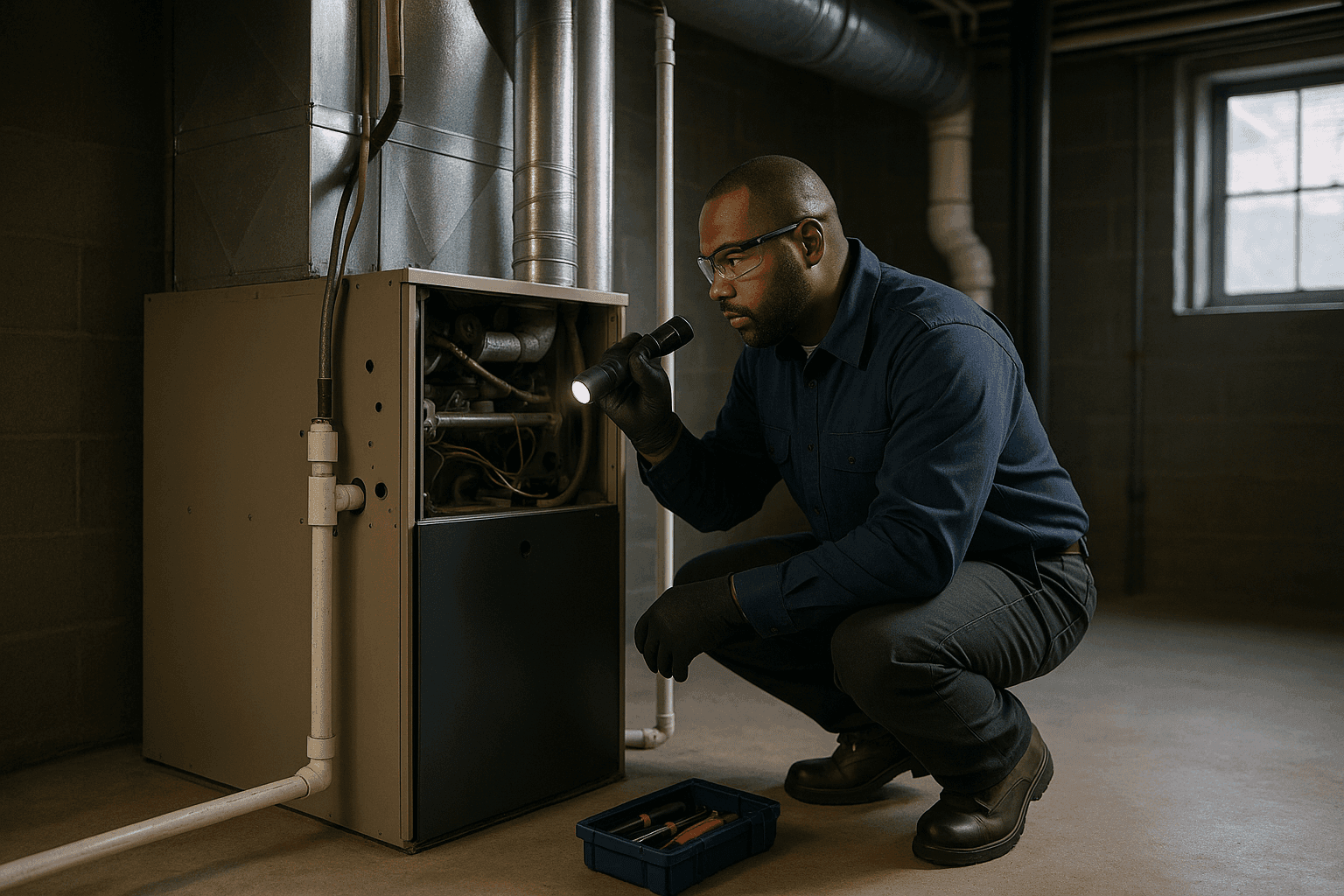
Keeping your home warm doesn’t have to be a mystery. But it does require a plan. That’s where most homeowners get stuck—unsure which tasks to tackle and when. At Paterno's Heating & AC, we help families cut through the confusion with a practical, repeatable heating maintenance routine that fits real life.
A little attention at the right time can mean the difference between cozy evenings and emergency calls at midnight. Our certified technicians have seen it all, from clogged filters to furnace breakdowns just when you need heat the most. Here’s how to stay ahead of surprises.
Why Seasonal Heating Maintenance Matters ❄️
Your heating system is like the heart of your home during cold months. Ignore it, and things get sluggish—or worse, grind to a halt. The U.S. Department of Energy and Air Conditioning Contractors of America (ACCA) both stress: regular maintenance improves efficiency, lowers utility bills, and extends equipment life. More importantly, it helps spot safety issues before they become dangerous.
Think of seasonal maintenance as giving your system a tune-up before the orchestra starts playing. When every part is ready, you get reliable warmth and peace of mind.
Detailed Checklist: Spring, Fall, Winter
No two seasons are quite alike. Each brings its own challenges and opportunities for keeping your heating running smoothly. Here’s what to focus on:
Spring: Wind Down and Clean Up
- Change or wash air filters before pollen and dust settle in.
- Turn off your furnace at the breaker if you won’t need heat until fall.
- Check thermostat batteries and settings.
- Inspect visible ductwork for dust, moisture, or loose connections.
- Vacuum and clean supply/return vents to keep air flowing.
- Make a note of any unusual noises or performance changes over winter.
Fall: Prepare for Prime Time
- Change air filters again—always start the season fresh.
- Test your thermostat for accuracy and responsiveness.
- Clear around your furnace and vents (no storage, clutter, or flammable items).
- Open all vents and check airflow in each room.
- Schedule professional inspection for burners, heat exchangers, and safety controls.
- Review your last maintenance log for recurring issues to mention to your technician.
Winter: Stay Vigilant
- Listen for odd sounds—bangs, squeaks, or rattles.
- Watch your energy bills—unexpected spikes may signal trouble.
- Keep vents unblocked by furniture or drapes.
- Monitor indoor humidity (add humidifiers or dehumidifiers if needed).
- Check carbon monoxide detectors monthly.
DIY vs. Professional Tasks 🛠️
Some heating care is perfect for homeowners. Other jobs? Leave those to the pros. Here’s how to tell the difference.
Homeowner-Friendly
- Swapping out furnace or air handler filters monthly or per manufacturer’s instructions.
- Wiping down vents and baseboards.
- Testing and changing thermostat batteries.
- Keeping mechanical rooms clear and easily accessible.
Call a Professional
- Annual inspection and full system tune-up (including Air Balancing near you).
- Burner and pilot light inspection or adjustment.
- Inspecting and cleaning the heat exchanger.
- Checking gas lines, electrical connections, and safety shutoffs.
- Duct cleaning (especially if you see visible dust or have allergy concerns).
- IAQ (Indoor Air Quality) testing for hidden pollutants.
Not sure? When in doubt, call. Heating systems combine gas, electric, and moving parts—safety always comes first.
How Regular Upkeep Saves Money and Stress
Routine care does more than avoid breakdowns. According to ENERGY STAR, a well-maintained system can use up to 15% less energy. That means more savings in your wallet and less carbon in the atmosphere.
Regular filter changes and professional inspections also help you catch minor issues—like a dirty burner or loose wire—before they turn into emergencies. Think of it as small investments that pay off in comfort and peace of mind.
Tips for Keeping a Maintenance Log 📝
You don’t need fancy software. A simple notebook or spreadsheet does the trick:
- Write down the date and what you did (or what a pro did).
- Note any odd sounds, smells, or performance dips.
- Keep receipts for professional visits (they may help with warranties).
- Set reminders for your next seasonal check.
Over time, you’ll build a record that helps you, your family, and any future technicians spot patterns and avoid repeat issues.
DIY vs. Professional Tasks: When to Step Back
It’s tempting to want to fix everything yourself. But heating systems can bite back. Handling gas lines, high-voltage wiring, or deep cleaning ductwork requires training, tools, and code compliance. The National Fire Protection Association and manufacturer guidelines both recommend leaving these tasks to certified technicians.
Plus, many equipment warranties require proof of professional maintenance. Skipping it could cost you more in the long run.
Advice from Certified HVAC Professionals
At Paterno's Heating & AC, our team is trained to the latest industry standards. We follow ACCA and manufacturer guidelines for safety and performance. Our technicians are familiar with every major brand and system type, from classic furnaces to advanced radiant heating.
We’re here to answer questions, help with maintenance logs, and make sure your system runs safely and smoothly—year in, year out.
Frequently Asked Questions
How often should I change my furnace filter?
Most filters need changing every 1–3 months, but it depends on your home’s air quality and filter type. Check monthly during heavy use.
Can I do my own duct cleaning?
You can vacuum vent covers and accessible ducts, but deep cleaning should be handled by professionals with specialized equipment.
What’s the risk of skipping annual maintenance?
You’ll likely see higher bills, more repairs, and possibly void your equipment warranty. Worse, you could miss early signs of carbon monoxide leaks or fire hazards.
How do I know if my thermostat is accurate?
Compare its reading to a simple room thermometer. If readings differ by more than a degree or two, recalibrate or replace the thermostat.
Local and Seasonal Considerations 🌦️
Every region has its own quirks. If winters are especially harsh, check your system more often and keep an eye on fuel supplies. In milder climates, maintenance is still important—dust, pollen, and humidity can all impact performance.
If your home uses radiant heating or geothermal, make sure to schedule specialized checkups. Air Balancing near you is key for homes with multiple zones or additions—uneven heating often points to airflow problems.
Keeping Your Home Warm, Safe, and Efficient
A little planning goes a long way. With this checklist in hand, you can keep your system ready for whatever the weather brings. If you’re ever unsure—or just want the peace of mind that comes from a professional eye—Paterno's Heating & AC is here for you.
Call Paterno's Heating & AC now — or reach us anytime at 877-731-7758 .