How to Choose the Right Heating System for Your Home
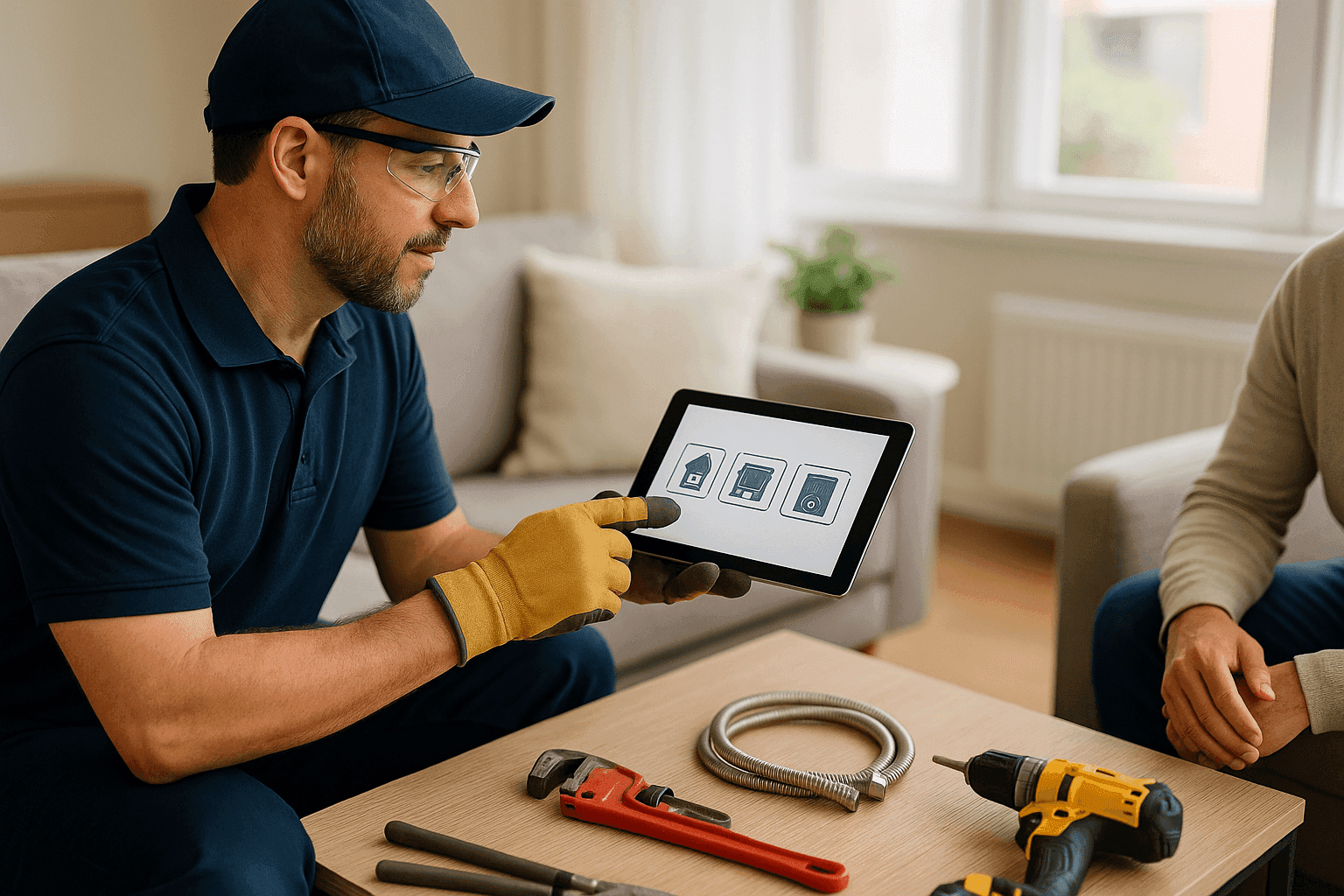
Choosing a new heating system can feel like standing at a fork in the road on a cold, windy night. The stakes are high—your comfort, your budget, and even your safety depend on making the right turn. At Paterno's Heating & AC, we know the path isn’t always clear. But you’re not alone. We help homeowners every day find the system that fits both their home and their lives.
Whether your old furnace quit in the middle of a snowstorm or you’re planning a major upgrade, the choices can seem endless. Let’s break it down together, step by step.
Why Your Heating System Choice Matters
A heating system isn’t just a piece of equipment. It’s the heart of your home in winter. The right one keeps every room cozy, air clean, and energy bills manageable. The wrong one? Think cold spots, noisy nights, and sky-high costs.
There’s no one-size-fits-all answer. Every home is unique—just like every family’s needs. Factors like home size, insulation, and even your family’s schedule all play a role.
The Most Common Heating Systems for Homes
Let’s look at the main options you’ll encounter. Each has its own strengths—and a few quirks.
Furnaces
Furnaces are the classic workhorse. They burn fuel (natural gas, propane, or oil) or use electricity to heat air, then push it through ducts to every room.
Pros:
- Heats quickly—great for cold snaps.
- Works well in most home sizes.
- Compatible with central air conditioning.
Cons:
- Needs regular filter changes and maintenance.
- Ductwork can lose heat if not sealed.
- Can be noisy if aging or poorly installed.
Radiant Heating
Radiant systems warm your floors, walls, or ceilings directly. Think of the sun warming your skin—gentle, even, and silent.
Pros:
- No blowing air, so less dust.
- Consistent warmth—no chilly corners.
- Silent operation.
Cons:
- Installation can be complex, especially in finished homes.
- Repairs may require opening floors or walls.
- Slower to adjust temperature.
Geothermal Heating
Geothermal systems use the steady temperature underground to heat (and cool) your home. It’s like borrowing warmth from the earth itself.
Pros:
- Extremely energy efficient.
- Lower operating costs after installation.
- Long system lifespan.
Cons:
- Higher upfront cost.
- Needs space for ground loops.
- Best suited for new builds or major renovations.
Whole-House Fans
Not a true heating system, but worth mentioning. Whole-house fans pull cool air in and push hot air out—great for shoulder seasons or mild climates.
Pros:
- Uses less energy than traditional heating.
- Helps improve indoor air quality.
Cons:
- Not a substitute for heat in cold weather.
- Can draw in pollen or dust without proper filtration.
Evaluating Your Home’s Heating Needs
Before you pick a system, take a close look at your home.
- Size and layout: Larger homes or those with lots of levels may need zoned systems.
- Insulation: Well-insulated homes lose less heat, so you may not need the biggest furnace.
- Existing ductwork: If you have ducts, furnace or heat pump options are easier.
- Family habits: Are you home all day, or only mornings and nights? Programmable thermostats can make a big difference.
- Allergies or asthma: Systems with advanced filters or air scrubbers can help.
A professional home energy audit (like those we offer) can pinpoint where you’re losing heat and where upgrades will have the biggest impact.
Quick Safety Checklist for Home Heating 🛡️
Before you start shopping or making changes, safety comes first. Here’s a fast checklist:
- Check carbon monoxide detectors: Test monthly and replace batteries yearly.
- Inspect filters: Dirty filters can overwork your system and lower air quality.
- Look for blocked vents: Make sure furniture or drapes aren’t covering vents or radiators.
- Know your shut-off: Locate the emergency shut-off switch for your furnace or boiler.
- Schedule regular maintenance: Annual checkups catch problems before they get dangerous.
Reference: The U.S. Consumer Product Safety Commission and National Fire Protection Association recommend annual professional inspections for all heating equipment.
DIY or Call a Pro?
Changing a thermostat? Swapping a filter? Many homeowners can handle these small jobs. But when it comes to installation, major repairs, or anything involving gas or electrical lines, it’s time to call in a licensed technician.
Here’s why:
- Building codes matter: Heating systems must meet national and local safety codes.
- Warranty protection: DIY installs can void manufacturer warranties.
- Hidden issues: Professionals spot problems you might miss—like carbon monoxide leaks or faulty wiring.
Trying to DIY a heating system install is like fixing your car’s brakes without the right tools. It’s not just tricky—it’s risky.
What the Pros Do on Arrival
When you call Paterno’s Heating & AC, here’s what to expect:
- Assessment: We’ll review your home’s size, layout, insulation, and existing equipment.
- Load calculation: Using industry-standard methods (like Manual J calculations), we determine how much heat your home actually needs.
- System recommendations: We’ll explain your options—furnace, radiant, geothermal, or others—based on your needs and budget.
- Code compliance: All installations follow current safety and energy codes.
- Testing and tuning: After installation, we test for safe operation, check airflow, and balance the system for comfort in every room.
Maintenance: The Secret to Long-Lasting Comfort
A well-maintained heating system is like a well-oiled bicycle—it runs smoother, lasts longer, and costs less to operate.
Simple steps:
- Change or clean filters every 1–3 months.
- Schedule professional maintenance every year.
- Keep vents, radiators, and returns clear.
- Listen for new noises—squeaks or rattles can mean trouble.
Regular maintenance can catch small issues before they turn into emergencies. The U.S. Department of Energy notes that neglected systems lose efficiency and can become safety hazards.
Costs & Time Factors: What to Expect
Heating system costs vary as widely as car prices. Here’s what affects the bottom line:
- Type of system: Furnaces tend to cost less upfront than geothermal, but may have higher operating costs.
- Installation complexity: Adding ductwork or radiant floors to an existing home takes time and labor.
- Efficiency ratings: Higher efficiency often means higher initial investment, but lower monthly bills.
- Home size: Bigger homes need more powerful (and expensive) systems.
- Permits and inspections: Most installations require permits and safety inspections, which add time.
Most furnace installations take 1–2 days. Geothermal or radiant systems may take a week or more, depending on your home’s needs.
When It’s an Emergency
Heating emergencies don’t wait for business hours. If your heat goes out in the dead of winter, you need help—fast.
What to do:
- Check your thermostat and circuit breakers first.
- If you smell gas, leave your home immediately and call emergency services.
- Don’t try to fix gas lines or electrical components yourself.
- Call a professional with 24-hour emergency heating service.
Paterno’s Heating & AC is always ready to help, day or night.
Frequently Asked Questions
How do I know which heating system is best for my home?
Start by considering your home’s size, insulation, and layout. A professional load calculation is the gold standard for matching system size to your needs. Think about your budget, comfort preferences, and whether you want features like programmable thermostats or advanced air filtration.
Are high-efficiency systems worth the extra cost?
Often, yes. High-efficiency systems use less fuel and can lower your monthly bills. Over time, these savings can offset the higher upfront cost—especially in homes that use heat for many months each year.
How often should my heating system be serviced?
At least once a year. Annual maintenance keeps your system running safely and efficiently. It also helps catch small problems before they become big, expensive ones.
What’s the difference between emergency heating and regular heating service?
Emergency heating service is available 24/7 for urgent issues—like a complete heat loss, gas leaks, or dangerous system malfunctions. Regular service covers routine maintenance, tune-ups, and non-urgent repairs.
Special Considerations for Your Home
Every home has its quirks. Here are a few things to keep in mind:
- Older homes: May have limited space for ductwork or need electrical upgrades.
- Allergy concerns: Ask about advanced filters, air scrubbers, or humidifiers.
- Energy savings: Consider programmable thermostats, zoning, or home energy audits to cut waste.
- Seasonal prep: Before winter hits, have your system inspected and filters changed.
Heating systems aren’t just about warmth—they’re about comfort, safety, and peace of mind. The right system, installed and maintained by professionals, can make all the difference.
Call Paterno's Heating & AC now — or reach us anytime at 877-731-7758 .