Emergency Heating Repair: What to Do Before a Technician Arrives
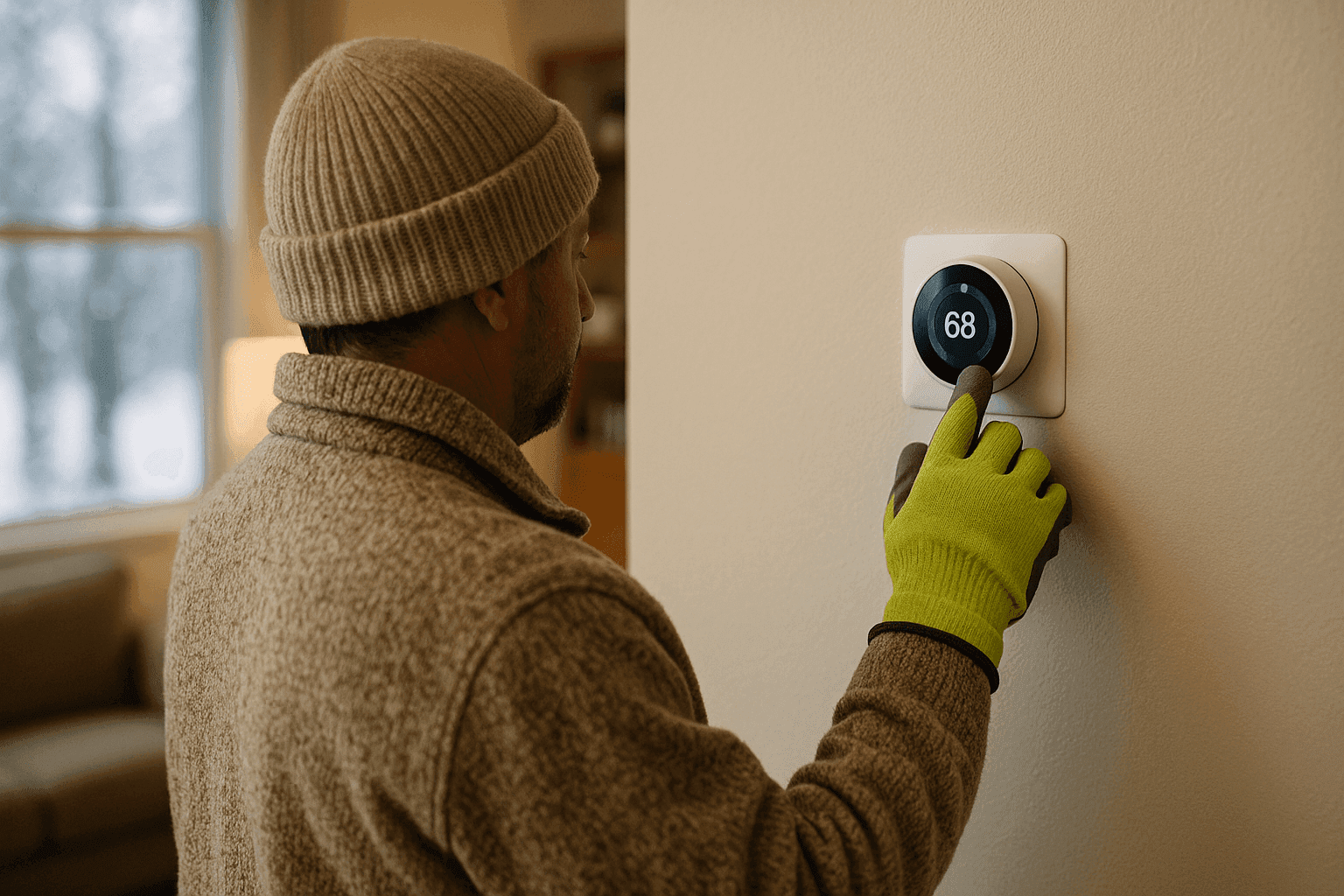
Is your home suddenly losing heat on a freezing night? It’s stressful — and sometimes scary. At Paterno's Heating & AC, we know that heating emergencies don’t wait for business hours. If your heating shuts down or something just feels off, your family’s comfort and safety come first.
As HVAC safety professionals, our goal is to help you handle the situation calmly and protect your home until a technician arrives. Here’s what to do, step by step.
Recognizing a Heating Emergency 🛑
Not every heater hiccup is an emergency. But when cold air is pouring from your vents, your furnace won’t start, or you smell burning or gas, it’s time to act fast. Watch for:
- No heat at all, especially when outdoor temperatures are dangerously low
- Strange odors: sulfur (“rotten eggs”), burning, or smoke
- Odd noises: banging, screeching, or persistent clicking
- Visible smoke, sparks, or soot around your heater or vents
- Carbon monoxide alarms going off (never ignore this!)
If your home is dropping fast toward unsafe temperatures, or if anyone in your household is elderly, very young, or has health challenges, treat the situation as urgent.
Immediate Safety Steps to Take
Before you do anything, pause. Breathe. Then follow these quick safety checks recommended by the National Fire Protection Association (NFPA) and the U.S. Consumer Product Safety Commission:
- Check for the smell of gas. If you detect even a faint sulfur odor, leave the house immediately. Don’t use switches, phones, or anything that could spark. Call your gas utility or 911 from outside.
- Inspect for smoke or burning smells. Turn off your heating system at the thermostat and electrical breaker. Evacuate if you see smoke or sparks.
- Listen for strange noises from your furnace or vents. Repeated loud banging or screeching means shut it off and wait for a pro.
- Look for visible damage to electrical cords, outlets, or heating equipment. Don’t touch or try to fix.
Never try to relight a pilot or reset equipment if you suspect a gas leak or electrical hazard. Your safety is worth more than a quick fix.
Temporary Ways to Stay Warm
While waiting for emergency heating repair, you’ll want to keep everyone as warm and comfortable as possible—without taking risks.
- Layer up: Dress in warm clothes, hats, and socks.
- Gather in one room: Close doors to unused rooms to hold in heat. Aim for the smallest, most insulated space.
- Blankets and sleeping bags: Pile them up for extra insulation.
- Safe space heaters: Only use electric space heaters if your power is on—never use ovens or grills indoors.
- Let sunlight in: Open curtains during the day for natural warmth, then close them at night to keep heat inside.
- Block drafts: Use towels or blankets to seal gaps under doors and windows.
Never use propane heaters, charcoal grills, or generators inside. Carbon monoxide is odorless and deadly. Always follow manufacturer instructions for any device you use for warmth.
When and How to Call for Help 📞
If you haven’t already, now’s the time to call for professional heating repair. Even if you’re handy, some problems—like gas leaks, electrical faults, or complete furnace failures—require licensed technicians.
When contacting an emergency service like Paterno’s Heating & AC, have this info ready:
- Your address and a working callback number
- Details about what’s happening (no heat, odd smells, noises, etc.)
- When the issue started and any steps you’ve tried
- Whether children, elderly, or medically vulnerable people are in the home
If you’re unsure if it’s an emergency, it’s always better to call and ask. A reputable HVAC technician will guide you on next steps.
What NOT to Attempt Yourself
Some fixes are simply not safe for homeowners:
- Don’t attempt to repair gas lines, burners, or wiring.
- Don’t open sealed furnace panels or attempt to relight pilot lights if you smell gas.
- Don’t bypass safety switches or reset circuit breakers repeatedly.
- Don’t ignore safety alarms—especially carbon monoxide.
If you’re in doubt, wait for a professional. HVAC systems are complex. Safety always comes first.
Simple Checks Before the Technician Arrives
If there’s no sign of immediate danger, you can check a few things before help arrives:
- Thermostat: Make sure it’s set to “heat” and the temperature is above room temp. Change the batteries if needed.
- Breaker panel: See if the heating system’s breaker has tripped. Reset once only if safe to do so.
- Air vents: Ensure return and supply vents aren’t blocked by furniture, dust, or debris.
- Air filter: A clogged filter can stop a furnace in its tracks.
If these steps don’t solve the problem, don’t push further. Wait for the technician to arrive.
When It’s an Emergency
Heating emergencies are more than just discomfort. They threaten health and safety, especially in extreme cold. Call for emergency heating repair if:
- Your home temperature is falling below 60°F (15°C) and dropping
- You smell gas or chemicals
- You lose power along with heat (contact utility company and emergency HVAC)
- Carbon monoxide alarms are sounding
- You have vulnerable people in the home
What Pros Do On Arrival
A certified technician will:
- Assess your system for gas leaks (using professional meters, not just smell)
- Check electrical components, fuses, and safety switches
- Inspect for signs of overheating, short circuits, or blocked exhaust
- Test air balancing and airflow to ensure your system isn’t straining
- Advise on temporary heating, if a part must be ordered
Professionals follow state and federal safety codes—like those from the International Residential Code (IRC) and Occupational Safety and Health Administration (OSHA)—to keep you safe.
Prevention & Maintenance Tips
The best way to avoid emergencies? Routine maintenance. Schedule regular inspections, cleanings, and air balancing near you. Change filters every 1–3 months. Test carbon monoxide detectors monthly. Don’t ignore small problems; they often grow into big ones.
Costs & Time Factors
Emergency heating repair costs and timelines depend on:
- The type of system (furnace, radiant, heat pump, geothermal)
- Severity of the issue (simple fix vs. replacement)
- Parts availability (some components must be ordered)
- Time of day or night (after-hours service may take longer)
Most repairs can be diagnosed within an hour. Common fixes may be completed the same day. Major repairs or unavailable parts may require a return visit.
FAQ: Common Emergency Heating Questions
What should I do if my heat goes out in the middle of the night?
Bundle up, gather in one room, and call for emergency service. Don’t use ovens or grills for heat.
Is it dangerous to use a space heater overnight?
Only use models with tip-over protection and never leave them running unattended or while sleeping.
Who do I call for a suspected gas leak?
Leave the house and call your local gas utility or 911. After the area is cleared, call for heating repair.
Can clogged filters really cause my furnace to shut down?
Yes—restricted airflow can trigger safety shut-offs and cause overheating.
Local & Seasonal Considerations ❄️
During winter storms or deep freezes, heating emergencies are more common and more serious. Power outages can complicate repairs. It’s smart to have emergency numbers handy, keep blankets and safe heating devices ready, and consider a backup generator if you live in an area prone to outages.
Paterno’s Heating & AC is here for you with 24 hour emergency service—because no one should face a winter night without help.
Call Paterno's Heating & AC now — or reach us anytime at 877-731-7758 .