Heating System Replacement Costs: What Homeowners Should Expect
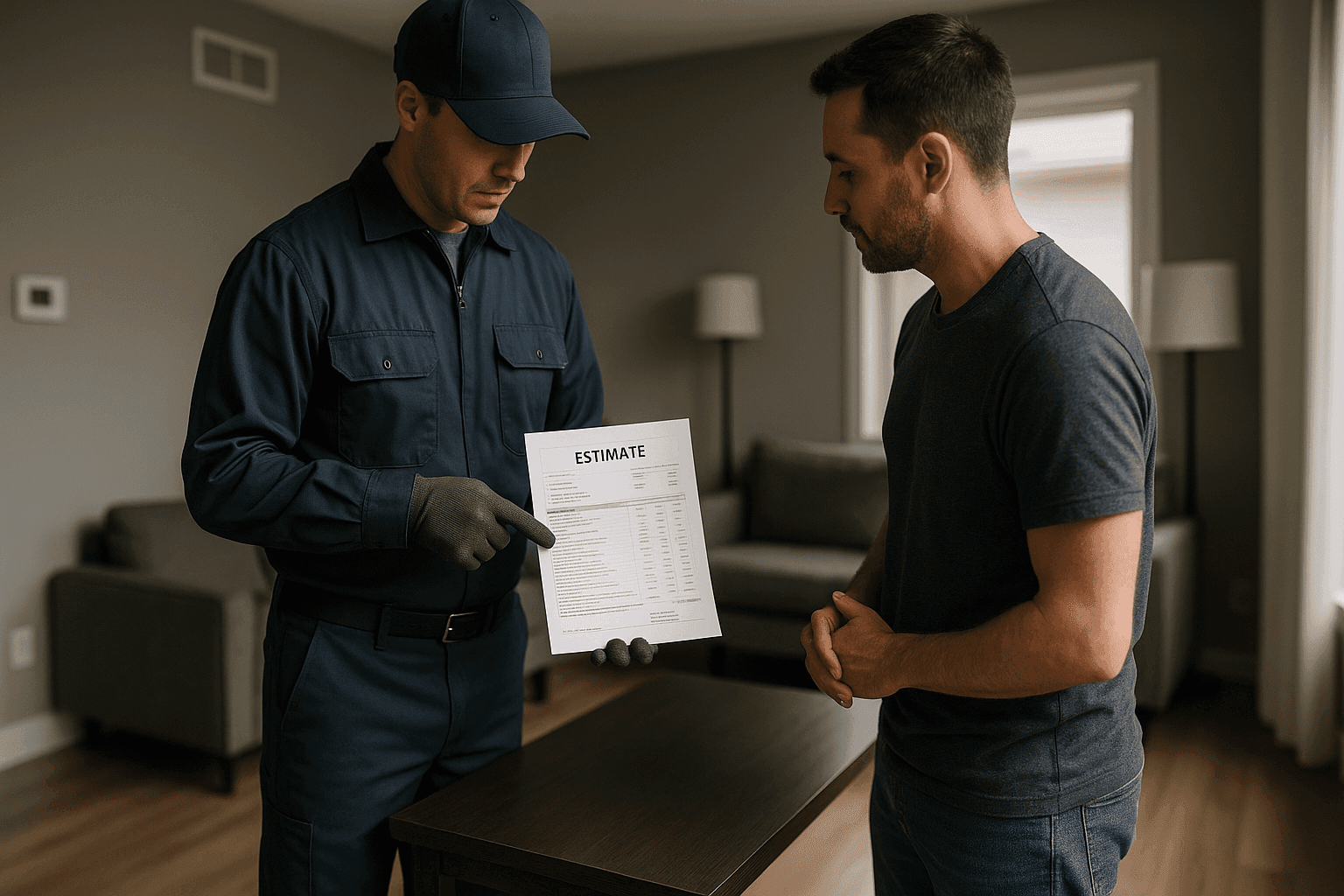
Replacing your home’s heating system isn’t something most of us plan for. It often hits when the weather turns and your old furnace coughs its last breath. The price tag? It can feel mysterious and overwhelming. At Paterno’s Heating & AC, we know homeowners want honest, clear answers before making such an important investment.
In this guide, you’ll find straightforward information on heating system replacement costs—what goes into them, what you can expect, and how to avoid those “hidden surprises” that can turn a quote upside down.
Factors Affecting Heating System Costs
Think of heating system costs like building a sandwich. The bread is the equipment itself, but the fillings—labor, upgrades, permits—stack up quickly. Here are the main ingredients:
- Type of System: Furnaces, heat pumps, radiant heating, and geothermal systems all come with different price points.
- Home Size & Layout: Larger homes or multi-story layouts need more powerful systems and often more complex ductwork.
- Efficiency Ratings: Higher efficiency means more upfront investment, but it pays off in lower utility bills.
- Air Balancing Needs: If you're looking for "Air Balancing near you," that may add to the project—especially in older homes with uneven heating.
- Permits & Code Upgrades: Cities require permits and adherence to the latest codes. Sometimes, this means electrical or venting upgrades.
- Existing Infrastructure: Replacing ductwork, updating electrical components, or adding zoning can increase costs.
Every home is unique. That’s why “ballpark” estimates can be misleading without a thorough on-site assessment.
Average Price Ranges by System Type 💡
Costs vary widely depending on system type and complexity. Here’s what most homeowners can expect nationwide (2024–2025 averages, per HomeAdvisor and U.S. Department of Energy):
- Gas Furnace Replacement: $4,000–$7,500 (equipment + installation)
- Electric Furnace: $3,500–$6,000
- Radiant Heating: $6,000–$14,000 (entire home)
- Heat Pump: $5,000–$10,000
- Geothermal System: $15,000–$30,000 (includes ground loop installation)
- Ductless Mini-Split: $3,500–$8,000 (per zone/unit)
These ranges include standard labor, basic permits, and removal of your old system. Factors like custom ductwork, high-efficiency models, or advanced controls (smart thermostats) can push costs higher.
Installation and Upgrade Considerations
When it comes to installation, think beyond “plug and play.” True replacement often means:
What’s Typically Included
- New Equipment: Furnace, heat pump, or boiler—plus parts like thermostats, filters, or air scrubbers if specified.
- Labor: Professional removal of old equipment and precise installation of the new system.
- Basic Permits: Required by local building authorities for safety and code compliance.
- Startup & Testing: Ensuring the system runs safely and efficiently, including Air Balancing and IAQ (Indoor Air Quality) checks if requested.
What Might Be Extra
- Ductwork Adjustments or Replacement: Old or leaky ducts? These can cost $2,000–$5,000 to upgrade or replace.
- Electrical Upgrades: Newer systems sometimes require more power or updated wiring.
- Ventilation/Hood & Exhaust Updates: Especially important for combustion systems.
- Code Compliance Fixes: Older homes sometimes need smoke detectors, carbon monoxide alarms, or venting changes.
- Sheet Metal Fabrication: Custom transitions or plenums for unique layouts.
How to Avoid Surprise Expenses 🚨
Nobody likes sticker shock. Here’s how to keep your project on budget:
- Get a Full In-Home Assessment: A reputable HVAC professional will inspect your current system, measure airflow, and check for hidden problems.
- Ask for an Itemized Estimate: Request line-by-line costs—equipment, labor, permits, upgrades.
- Discuss Optional vs. Required Upgrades: Know what’s essential (like code updates) and what’s a nice-to-have (like advanced air scrubbers).
- Review Permit Requirements: Local codes matter. Don’t skip this. Fines or failed inspections cost more in the long run.
- Factor in Ongoing Maintenance: A well-installed system lasts longer with regular servicing—budget for annual checkups and filter changes.
The U.S. Department of Energy and Air Conditioning Contractors of America (ACCA) both recommend always hiring licensed, insured professionals for major heating work. Safety—and warranty coverage—depends on it.
Installation and Upgrade Considerations
The Human Touch
Heating system replacement isn’t just about hardware. It’s about comfort, safety, and peace of mind. A skilled technician will:
- Size the system accurately to match your home’s needs.
- Test indoor air quality (IAQ) and recommend solutions if needed.
- Balance air flow for consistent comfort in every room.
- Explain how to operate and maintain your new system.
Don’t hesitate to ask questions or request additional information during your estimate appointment.
What’s Typically Included in a Replacement
Most professional replacements should include:
- Removal and disposal of old equipment.
- New heating system (furnace, boiler, or heat pump).
- Installation of a new thermostat, if needed.
- Basic ductwork reconnection and sealing.
- System startup, safety testing, and commissioning.
If your estimate doesn’t include these, ask why.
Warnings About Potential Hidden Costs
Some “gotchas” can sneak up on any project:
- Hidden Duct Problems: Old, leaky, or poorly designed ductwork wastes energy and hinders comfort. Fixes can add $2,000–$5,000.
- Electrical Surprises: Older homes may need new wiring or breaker panels for modern high-efficiency systems.
- Gas Line or Venting Upgrades: Newer furnaces may require different venting materials or gas line sizes to meet code.
- Permitting & Inspection Delays: Always allow time in your installation plan for municipal approval and inspections.
Be wary of “too good to be true” quotes that don’t mention these possibilities.
How to Get Accurate Estimates from Professionals
Here’s how to get a real-world figure, not just a guess:
- Schedule a Site Visit: Phone quotes can be off by thousands. A site visit is essential.
- Provide Details: Know your home’s square footage, current system details, and any comfort issues (like cold spots).
- Ask for References: Reliable contractors should have a track record of satisfied residential customers.
- Request Written, Itemized Bids: This is your shield against surprise charges.
Practical Tips for Homeowners
- Plan Ahead: Don’t wait for a total breakdown. If your system is over 15–20 years old, start budgeting.
- Check Rebates & Incentives: Sometimes, local utilities offer rebates for high-efficiency upgrades.
- Maintain Regularly: Annual maintenance helps spot issues before they become emergencies.
Frequently Asked Questions
How long does heating system replacement take?
Most standard furnace replacements take 1–2 days. Complex systems or ductwork upgrades can add time. Weather, permits, and inspections may extend the timeline.
Will a more efficient system really save money?
Absolutely. According to the U.S. Department of Energy, upgrading from a 60% to a 95% efficient furnace can cut heating bills by up to 30%. The savings add up.
What’s the difference between a repair and a replacement?
Repairs fix specific parts (like a blower motor or thermostat). Replacement swaps out the entire system—usually recommended when repairs approach half the cost of a new system or if your unit is over 15 years old.
Local and Seasonal Factors
Winter is busy season for heating pros. Scheduling early—before the first cold snap—can mean faster service and more availability. In some regions, code requirements or climate may push you toward specific system types (like heat pumps in milder areas or radiant heating for cold basements).
The Bottom Line
Heating system replacement is a major investment, but with the right knowledge, you can budget confidently and avoid unpleasant surprises. Price depends on system type, home size, efficiency, and the details beneath the surface—like ductwork and electrical. Always work with licensed professionals, ask for detailed estimates, and don’t be afraid to ask questions.
Call Paterno's Heating & AC now — or reach us anytime at 877-731-7758 .