How to Improve Indoor Air Quality with Your Heating System
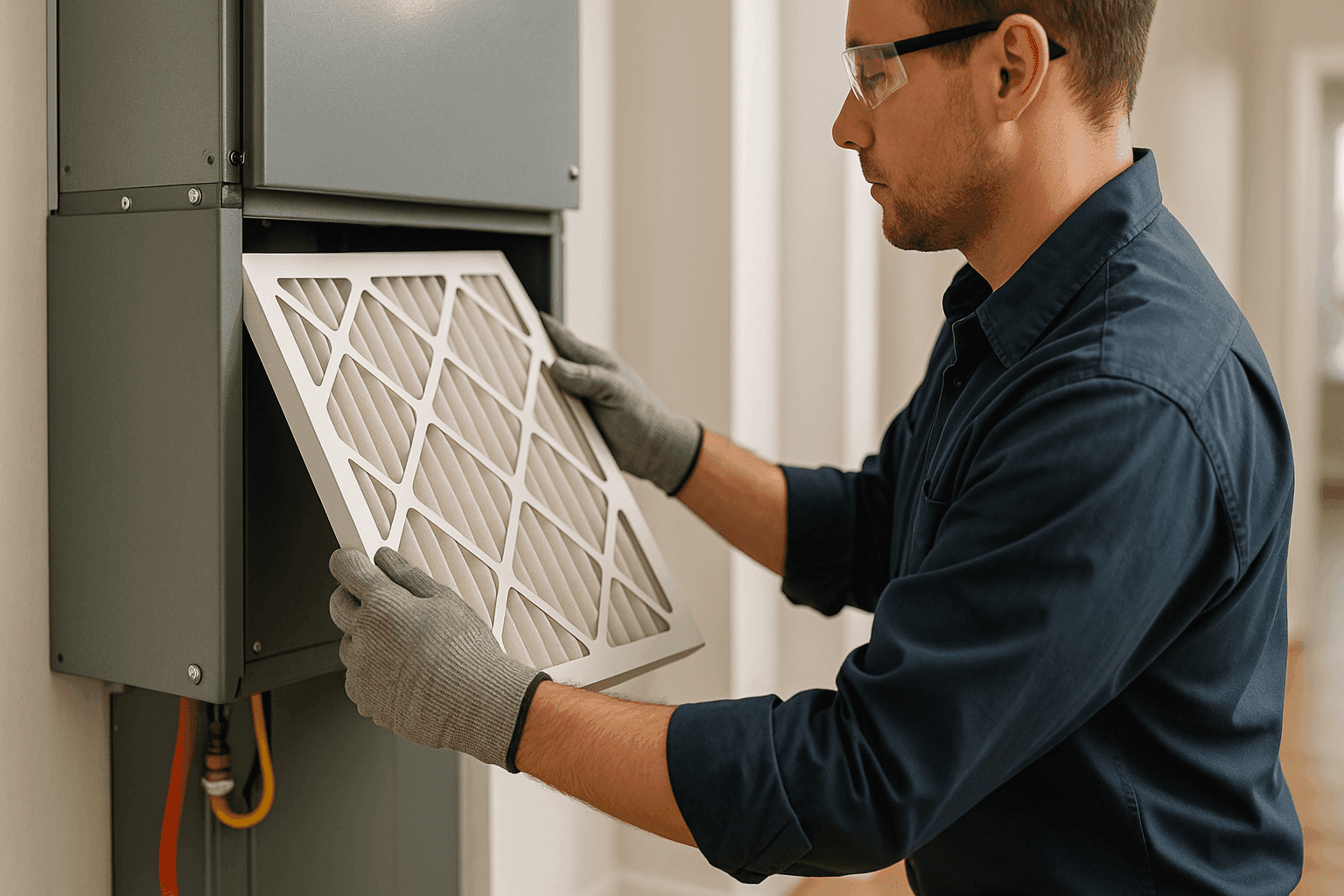
Cold weather drives us indoors, but what’s in the air you’re breathing all winter long? Most folks don’t realize their heating system can affect more than just comfort—it plays a major role in indoor air quality (IAQ). If the air feels stuffy, dusty, or triggers sneezing fits, you’re not alone.
At Paterno’s Heating & AC, our IAQ-certified professionals see the same patterns in homes across the area. We know the science and the real-world fixes. Let’s dig in and make your winter air fresher, healthier, and safer for your family.
Why Indoor Air Quality Matters in Winter 🏠
When the furnace kicks on and windows stay shut, your home becomes a closed box. Every breath you take recycles the same air, day after day. If your system isn’t managed right, it’s all too easy for dust, pet dander, and unseen allergens to build up.
How Heating Affects Air Quality
- Dust & Allergens: Forced air heating stirs up settled particles. Without proper filtration, they just circulate—like a snow globe that never settles.
- Humidity Levels: Heating dries the air. Low humidity can make your skin itch, worsen allergies, and even crack wood floors.
- Airflow & Stale Air: If air isn’t balanced or the system is outdated, rooms can feel stuffy. Certain areas might get more heat, others less, trapping pollutants.
Signs Your Indoor Air Needs Attention
- Frequent sneezing, coughing, or irritated eyes indoors
- Static shocks, dry skin, or cracked lips
- Musty or stale odors that linger
- Excess dust on surfaces despite regular cleaning
- Condensation or mold in corners and windows
If any of these sound familiar, improving your IAQ is more than a comfort—it’s about protecting your health.
Best Heating System Upgrades for Clean Air
You don’t have to overhaul your entire HVAC system to see big improvements. Modern add-ons and upgrades can fit right into your existing setup, clearing the air without making a mess or a major dent in your routine.
HEPA and High-MERV Filters
Standard filters catch big stuff—think pebbles, not sand. Upgrade to high-MERV or HEPA filters and you trap pollen, smoke, and even some bacteria. Just remember: not every system can handle the airflow restriction of a dense filter, so check with a pro before installing.
Air Scrubbers and Purifiers
These devices go beyond filtering. Air scrubbers use UV light or ion technology to neutralize airborne germs and odors. They’re like hiring a tiny cleaning crew that never sleeps.
Humidifiers and Dehumidifiers
- Whole-House Humidifiers: Keep indoor air from getting desert-dry.
- Dehumidifiers: Key in damp basements or homes with condensation issues.
Balanced humidity (ideally 30–50%, per CDC guidelines) keeps you comfortable and helps your immune system fend off winter bugs.
Smart Thermostats with IAQ Features
Modern thermostats can monitor air quality and remind you when to change filters. Some even link with other devices to adjust humidity or trigger air purifiers when air gets stuffy.
Duct Cleaning and Air Balancing Near You
If your ducts are clogged with dust, mold, or pet fur, no filter can fix the problem alone. Duct cleaning and air balancing ensure every room gets fresh air—no more hot, musty corners or ice-cold bedrooms.
Practical Tips for Everyday IAQ Improvement
Not every solution requires a toolbox or a service call. Here’s what you can do yourself:
- Change Filters Regularly: Every 1–3 months, especially in winter.
- Vacuum and Dust: Use a vacuum with a HEPA filter to catch fine particles.
- Control Moisture: Use exhaust fans in bathrooms and kitchens. Fix leaks fast.
- Open Windows Occasionally: Even 10 minutes a day can help exchange stale air.
- Keep Vents Clear: Don’t block registers with furniture or rugs.
- Check for Mold: Inspect corners, basements, and around windows.
Small habits, big difference.
When to Call a Professional
- Persistent dust or allergy symptoms
- Mold or strange odors you can’t pinpoint
- Uneven heating or airflow
- Outdated equipment or visible dirt in vents
Certified pros can test, diagnose, and recommend the right upgrades—no guesswork, no wasted money.
Why Work with an IAQ-Certified Technician?
Not every heating contractor is up to speed on air quality science. At Paterno’s Heating & AC, our team keeps up with standards from bodies like the EPA and ASHRAE. We use proven, non-invasive methods, tailored to your home and your family—not one-size-fits-all fixes.
Common Questions About Heating & Air Quality
Is it safe to run a humidifier with my furnace?
Yes, as long as humidity stays in the 30–50% range. Too much moisture invites mold; too little dries out your airways.
How often should I change my filter in winter?
Check monthly. If it looks dirty, swap it out. Homes with pets or allergies may need more frequent changes.
Will duct cleaning really help?
If your ducts are visibly dirty or you smell must, yes. The EPA recommends cleaning if there’s mold, pests, or excessive debris.
Are air scrubbers worth the investment?
For families with allergies, asthma, or immune concerns, air scrubbers can make a significant difference, especially during peak heating season.
Seasonal Considerations for Your Home
Winter brings closed windows and longer furnace cycles. In spring and fall, pollen and moisture can spike. Tailor your IAQ checks to the season—what works in December might need tweaking in April.
The Bottom Line: Clean Air Starts with Smart Heating
Your home’s air shouldn’t be a mystery. With the right heating upgrades and a few simple habits, you can turn your system into a shield against winter’s worst—keeping your family healthy and comfortable.
Ready to breathe easier?
Call Paterno's Heating & AC now — or reach us anytime at 877-731-7758 .