How to Prepare Your Heating System for Winter Storms
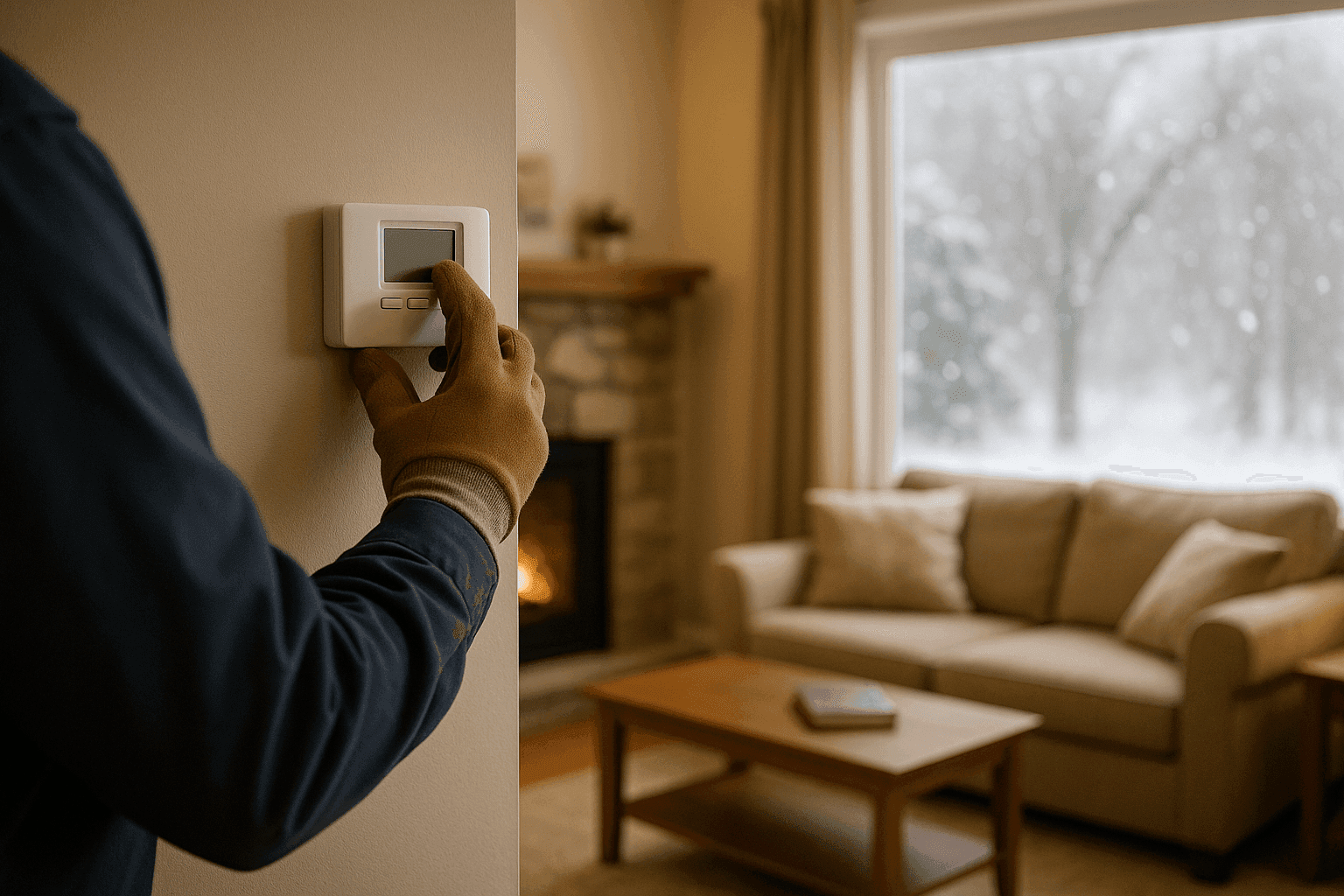
Winter storms don’t wait for a convenient time. When temperatures drop, your heating system becomes the heart of your home—keeping your family warm, safe, and comfortable. But if your system isn’t ready, a cold snap can turn into a real emergency.
At Paterno's Heating & AC, we know how vital it is to stay ahead of the storm. Let’s walk through the steps to make sure your heating system stands strong—no matter what winter throws your way.
Why Winter Storms Threaten Heating Systems ❄️
A winter storm is more than just a flurry of snow. It’s a stress test for your entire home. Frigid air, ice build-up, and power outages can push your heating system to its limits. When the mercury plunges, furnaces and heat pumps work overtime. Ducts contract, pipes freeze, and even a small issue can snowball into a big, chilly problem.
Common threats include:
- Frozen pipes: When water stops flowing, pipes can burst—leading to costly repairs.
- Power outages: No electricity means no heat for most systems.
- Blocked vents: Snow and ice can clog outdoor vents, causing dangerous carbon monoxide buildup.
- System overload: Old or poorly maintained systems may fail under heavy use.
The good news? Most of these problems can be prevented with a little preparation.
Pre-Storm Heating Maintenance Checklist
Before the first snowflake falls, take these steps to keep your heating system humming:
- Inspect your furnace or heat pump: Look for odd noises, smells, or signs of wear. If anything seems off, schedule a professional inspection.
- Change or clean filters: Clogged filters choke your system, making it work harder and reducing air quality. Check filters monthly in winter.
- Test your thermostat: Make sure it responds quickly and accurately. Replace batteries if needed.
- Seal ducts and vents: Feel for drafts around duct joints. Use foil tape or mastic to seal leaks. This keeps warm air flowing where you need it.
- Clear outdoor vents: Brush away snow, leaves, or debris from intake and exhaust vents.
- Check your carbon monoxide detector: Replace batteries and test the alarm. This tiny device can save lives.
- Review backup power options: If you rely on electric heat, consider a portable generator or battery backup for emergencies.
- Schedule a professional tune-up: Annual maintenance keeps your system efficient and reliable (see the National Fire Protection Association’s guidelines for heating safety).
Emergency Tips During Power Outages and Freezes
Sometimes, despite your best efforts, the power goes out or temperatures plummet. Here’s what to do:
- Layer up: Dress in warm clothes and use blankets to conserve body heat.
- Close off unused rooms: Focus heat where it matters most—like bedrooms and living areas.
- Let faucets drip: A slow trickle can prevent pipes from freezing.
- Open cabinet doors: Let warm air circulate around pipes under sinks.
- Never use ovens or grills for heat: These create fire and carbon monoxide hazards (see the CDC’s winter weather safety guidance).
- If you use a generator: Run it outside, away from windows and doors. Never indoors or in garages.
- Monitor indoor air quality: If you notice headaches, dizziness, or confusion, get fresh air immediately—these are signs of carbon monoxide.
Inspecting Your Furnace: What to Look For
Think of your furnace like a car before a road trip. A quick check can prevent a breakdown at the worst moment.
- Listen: Rattles, bangs, or squeals mean something’s wrong.
- Smell: A musty or burning odor could signal dust buildup or electrical issues.
- Look: Is the pilot light steady and blue (not yellow or flickering)? Are there signs of rust or water pooling?
If you spot trouble, don’t wait. Call for emergency heating help before the storm hits.
Cleaning Filters: The Easiest Win
A dirty filter is like a clogged nose for your heating system. Air can’t flow, so the system strains to keep up. This wastes energy and can even cause a shutdown.
- How often? Check filters every month during heavy use.
- How to clean or replace: Turn off the system, remove the filter, and either vacuum/wash (for reusable types) or swap for a new one.
- Bonus: Clean filters mean cleaner indoor air—especially important when windows stay closed all winter.
Checking Thermostats: Small Device, Big Impact
Thermostats are the brains of your heating system. If they’re not working right, nothing else will.
- Test settings: Set the temperature a few degrees higher and listen for the system to kick on.
- Check batteries: Low batteries can cause the system to shut off unexpectedly.
- Consider smart thermostats: These adjust automatically and can be controlled remotely—handy if you lose power and need to monitor your home from afar.
Sealing Ducts: Don’t Let Heat Slip Away
Leaky ducts are like holes in your winter coat. Even a small gap can waste a lot of heat.
- Inspect joints and seams: Look for visible gaps or feel for drafts.
- Seal with foil tape or mastic: Skip ordinary duct tape—it dries out and fails.
- Insulate exposed ducts: Especially in attics or crawl spaces, insulation keeps heat in and cold out.
Ensuring Backup Power Options
If your heating system relies on electricity, a backup plan is smart insurance.
- Portable generators: Choose one rated for your heating system’s wattage. Always follow manufacturer safety instructions.
- Battery backups: Some thermostats and smaller systems can run on battery power for short periods.
- Manual operation: Know how to safely shut down or restart your system if needed.
Common Winter Heating Hazards
Winter brings hidden dangers. Here’s what to watch for:
- Frozen pipes: Insulate exposed pipes and let faucets drip during deep freezes.
- Carbon monoxide: Keep vents clear and detectors working. Never run vehicles or generators indoors.
- Overloaded systems: Don’t crank the thermostat to the max. Gradual increases are easier on your system.
Emergency Heating: When to Call for Help
Sometimes, DIY isn’t enough. Call for emergency heating service if:
- Your system won’t start, or blows only cold air.
- You smell gas, burning, or see smoke.
- Carbon monoxide alarm sounds.
- Pipes burst or you see water leaks near your system.
Don’t wait for things to get worse. The sooner you call, the better your chances of a quick fix.
DIY or Call a Pro? Knowing Your Limits
Some tasks are safe for homeowners—like changing filters or checking thermostats. But others need professional tools and training.
DIY:
- Change filters
- Test thermostat
- Clear vents
Call a pro:
- Electrical issues
- Gas smells
- System won’t start
- Annual tune-ups
When in doubt, safety comes first. Heating systems aren’t the place for guesswork.
What Pros Do On Arrival
When a technician from Paterno's Heating & AC arrives, here’s what you can expect:
- Full inspection of furnace or heat pump
- Check for electrical or gas issues
- Clean and adjust burners, fans, and heat exchangers
- Inspect and test safety controls
- Check for carbon monoxide leaks
- Review overall system health and suggest any needed repairs
Professionals use specialized tools and follow safety codes set by organizations like the National Fire Protection Association and the International Code Council.
Prevention & Maintenance: Long-Term Peace of Mind
Winter storms may be unpredictable, but regular maintenance is your best defense.
- Schedule annual inspections: Catch problems early and keep your warranty valid.
- Keep records: Track service dates and repairs for future reference.
- Upgrade when needed: Older systems are less efficient and more prone to failure. Consider replacement if repairs are frequent or costs are rising.
- Maintain good indoor air quality: Use high-quality filters, clean ducts, and consider air scrubbers or humidifiers for comfort and health.
Costs & Time Factors
Heating maintenance is an investment, but it saves money in the long run. Here’s what to expect:
- Time: Most tune-ups take 1–2 hours. Emergency repairs may take longer, especially during storms.
- Costs: Routine maintenance is usually affordable. Repairs can range from minor fixes to major part replacements, depending on the issue.
- Energy savings: A tuned-up system uses less energy, lowering your utility bills.
Remember, the cost of prevention is almost always less than the cost of emergency repairs.
When It’s an Emergency
If your heat stops working during a storm, act fast:
- Bundle up, close doors, and use safe supplemental heat sources.
- Call for emergency heating service immediately.
- If you smell gas or suspect a carbon monoxide leak, evacuate and call emergency services.
Your safety is always the top priority.
FAQ: Winter Heating System Prep
Q: How often should I replace my furnace filter in winter?
A: Check it monthly and replace or clean as needed—especially during heavy use.
Q: What’s the safest way to keep pipes from freezing?
A: Insulate pipes, keep the heat on, and let faucets drip during deep freezes.
Q: Can I use a space heater during a power outage?
A: Only if it’s rated for indoor use and you follow all safety instructions. Never use gas or kerosene heaters indoors without proper ventilation.
Q: Why does my carbon monoxide alarm go off during storms?
A: Blocked vents or malfunctioning systems can cause carbon monoxide buildup. Leave the house and call for help immediately.
Special Considerations for Winter Heating
- Older homes: May need duct sealing, extra insulation, or updated thermostats.
- Homes with children or elderly: Keep extra blankets and a plan for safe shelter if heat fails.
- Geothermal and radiant systems: Require different maintenance—ask your technician for system-specific tips.
- Indoor air quality: Closed windows can trap dust and allergens. Use air scrubbers or schedule duct cleaning for healthier air.
Winter storms don’t have to mean sleepless nights or shivering mornings. With a little preparation, your heating system can weather anything the season brings.
Call Paterno's Heating & AC now — or reach us anytime at 877-731-7758 .